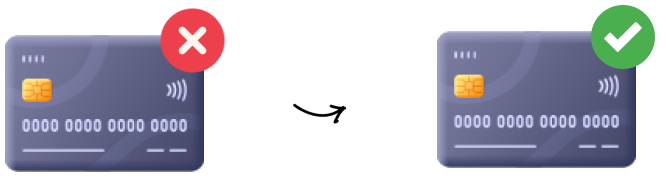
1. Enter your subscription data

2. We automatically sign your cancellation letter
3. We'll send your cancellation letter

4. Cheers! Your subscription's cancelled

Would you like to cancel your Newspaper and Magazine subscription to Reader’s Digest? We can do this for you! We will take care of the cancellation by sending a letter of cancellation with all the necessary details to Reader’s Digest on your behalf. We will do this by sending a registered letter, keeping you informed at every step of the way. By sending a registered letter, the cancellation is completely legally valid. You will also receive a proof of posting and receipt. So you have full assurance that your Newspaper and Magazine subscription is cancelled. Terminating your subscription has never been this easy!
With Reader’s Digest, you can find your notice period in your contract and in the general terms and conditions.
Your Newspaper and Magazine subscription to Reader’s Digest is cancelable at any time according to the terms of your contract.
Reader’s Digest
Address:
Reader’s Digest (Australia) Pty Ltd
431 Warringah Road
Frenchs Forest NSW 2086
Australia
Similar services
Payment method **continuous renewal service: by placing your order, your subscription(s) will automatically renew at the rate then in effect at the end of each term until you cancel. You will receive a renewal notice before your subscription is renewed and your account is charged.
To cancel your Reader's Digest subscription, you need to log in to your account on their website and locate the "cancel my subscription" link on the left side. Alternatively, you can reach out to Reader's Digest via email using the title-specific customer care email address provided at the bottom of the FAQ section. Remember to include your full name, address, and account number in your cancellation request. Additionally, if you prefer, you can also cancel your subscription through Xpendy, but be aware that this service may come with some associated costs.
As it gained prominence, reader's digest drew criticism. Despite the publication's determination to celebrate individual freedoms, it was accused of being nothing more than state propaganda. There were claims of cia funding and editorial control, especially in its foreign editions in latin america.